The Lowy Medical Research Institute is dedicated to understanding the cause of MacTel and developing new therapies to treat or prevent the disease. To achieve these goals, LMRI has established a unique research program. It began in 2005 with the initiation of the MacTel Project and has grown in scope since that time to accelerate the progress of research.
From the beginning, LMRI has pursued both clinical, or patient-based, research and laboratory research. As a rare disease about which little was previously known, both have been instrumental to the success of LMRI.
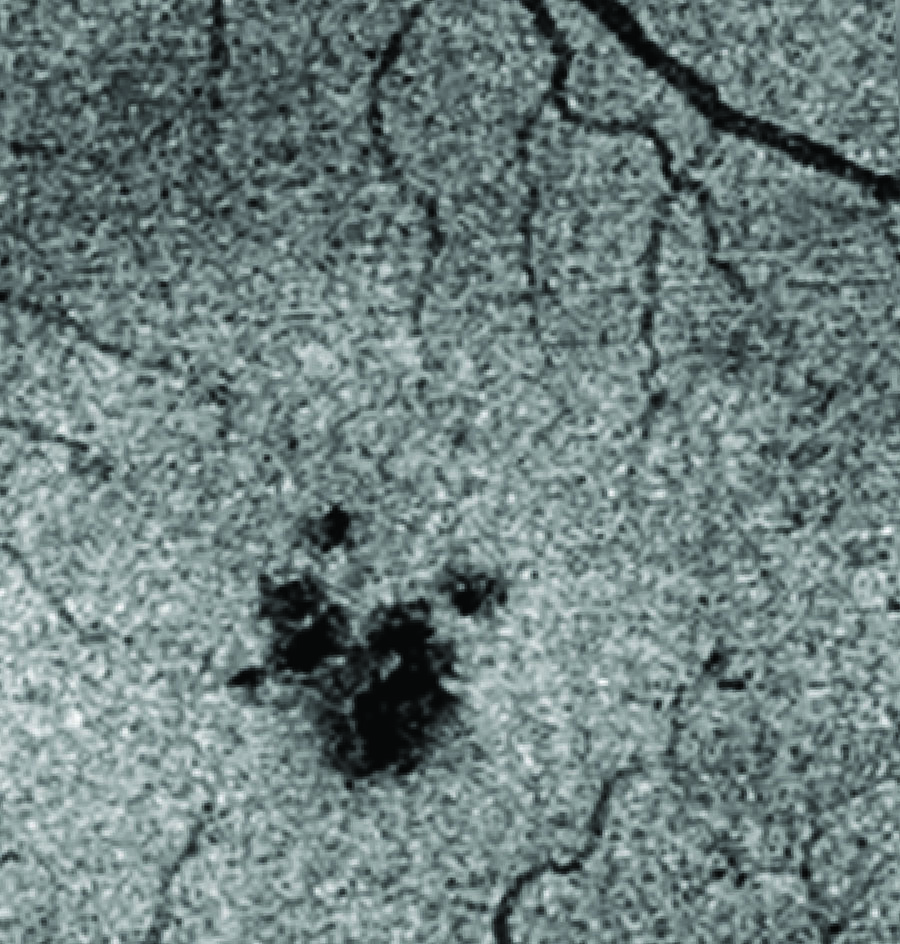
The MacTel Project’s Natural History Observation Study (NHO) played a major role in improving the diagnosis of MacTel and the understanding of the disease. The Natural History Study enrolled more than 400 individuals with MacTel from around the world. Participants had annual clinic visits for five years. At these visits, their health and MacTel progression were recorded. Ophthalmic imaging and samples for genetic analysis were also collected. This detailed clinical history, from very early to more advanced stages of disease, has led to new disease insights.
The NHO Study evolved into the Natural History Observation and Registry Study (NHOR), which is the foundation of LMRI’s clinical research program. Through this program, LMRI has engaged patients and learned more about the disease. The clinical research program has expanded to include global clinical trials, sub-studies at clinics around the world, and an eye donor program. Based on the information gained over the years, it is now possible to test therapies for treating MacTel. To that end, LMRI continues to sponsor new studies, and clinical trials build upon the insights gained from the Registry.
The laboratory program is closely connected to MacTel clinical research. With access to blood and patient samples from the registry and eye donor program, as well as a growing database of patient images and observational data, LMRI-affiliated scientists have an unparalleled MacTel-specific data and tissue repository that drives their research. These resources have propelled the laboratory program, leading to insights in the genetics, metabolism, and retinal biology of MacTel.
As LMRI makes advances in MacTel research, we continue to bring in new collaborators, expanding and pivoting research in new directions. This unique flexibility and our global reach keep the Lowy Medical Research Institute at the forefront of MacTel research.